
Google confirmed this week that FAQ rich result display has been formally restricted to government and health sites following the September 2026 structured data update. This caused a wave of concern across the SEO community — but the nuance matters. FAQPage schema is not dead. Gemini, ChatGPT, Perplexity, and Claude still actively read FAQPage markup during answer extraction. The deprecation affects visual rich results in the SERP — not AI citation eligibility. Pages with properly structured three to seven question FAQ blocks, with 40 to 60 word answers and zero marketing copy, are still being pulled into AI-generated answers regularly.
The Schema Types Still Driving Real Results Right Now
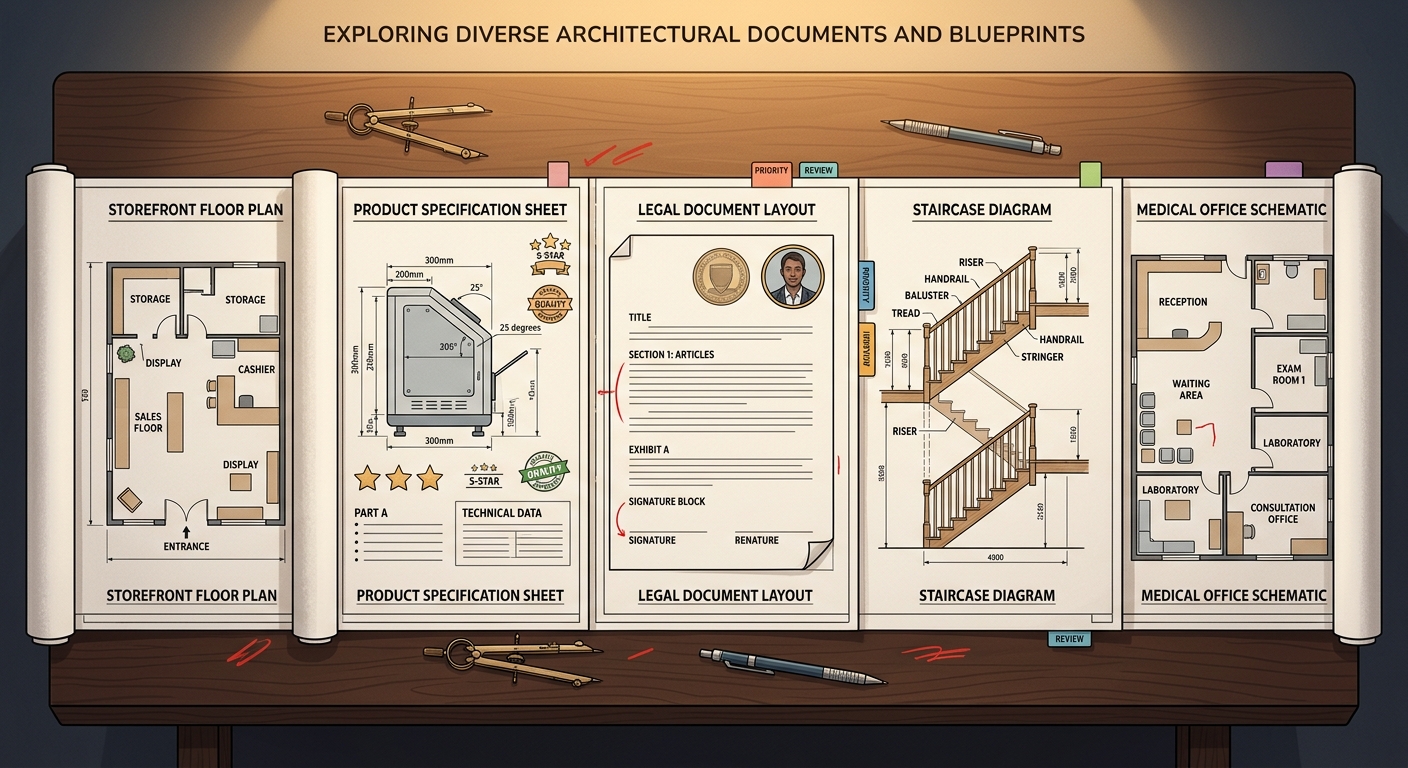
For SMBs, the five schema types worth prioritising right now are LocalBusiness, Product with AggregateRating, Article with a real Person author entity, BreadcrumbList, and — for healthcare and legal clients — Physician and LegalService. A February 2026 Growth Marshal study confirmed that generic Product schema delivers no AI citation advantage. Attribute-rich Product schema with concrete pricing, ratings, and specifications is what drives the lift. If you are doing SEO for a dental clinic or law firm in 2026, the Person entity connected to a real author profile with credentials is one of the highest-impact schema additions you can make this quarter.
51% of B2B Buyers Now Start Research With AI — What That Means for Niche Content Strategy
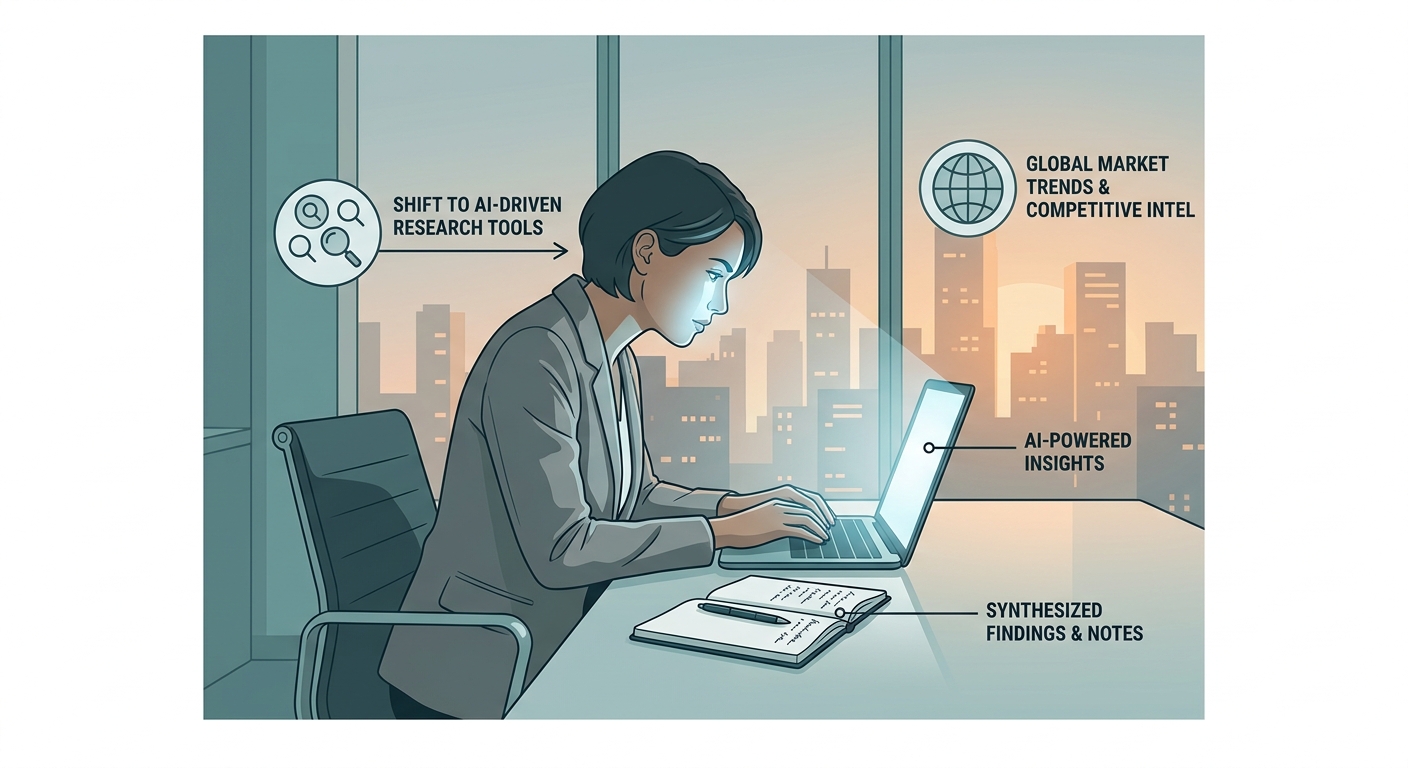
G2 released new buyer behavior data this week that should change how niche content teams plan their editorial calendar. 51% of B2B software buyers now start their research with an AI chatbot more often than with Google. 85% of those buyers think more highly of a software vendor when AI includes them in an answer. And 41% are using Deep Research tools — not standard ChatGPT prompts — for structured software evaluations. This is not a prediction about where search is heading. It is current buyer behavior, documented with survey data from April 2026.
The Content Structure That Wins AI Citations in Niche Markets
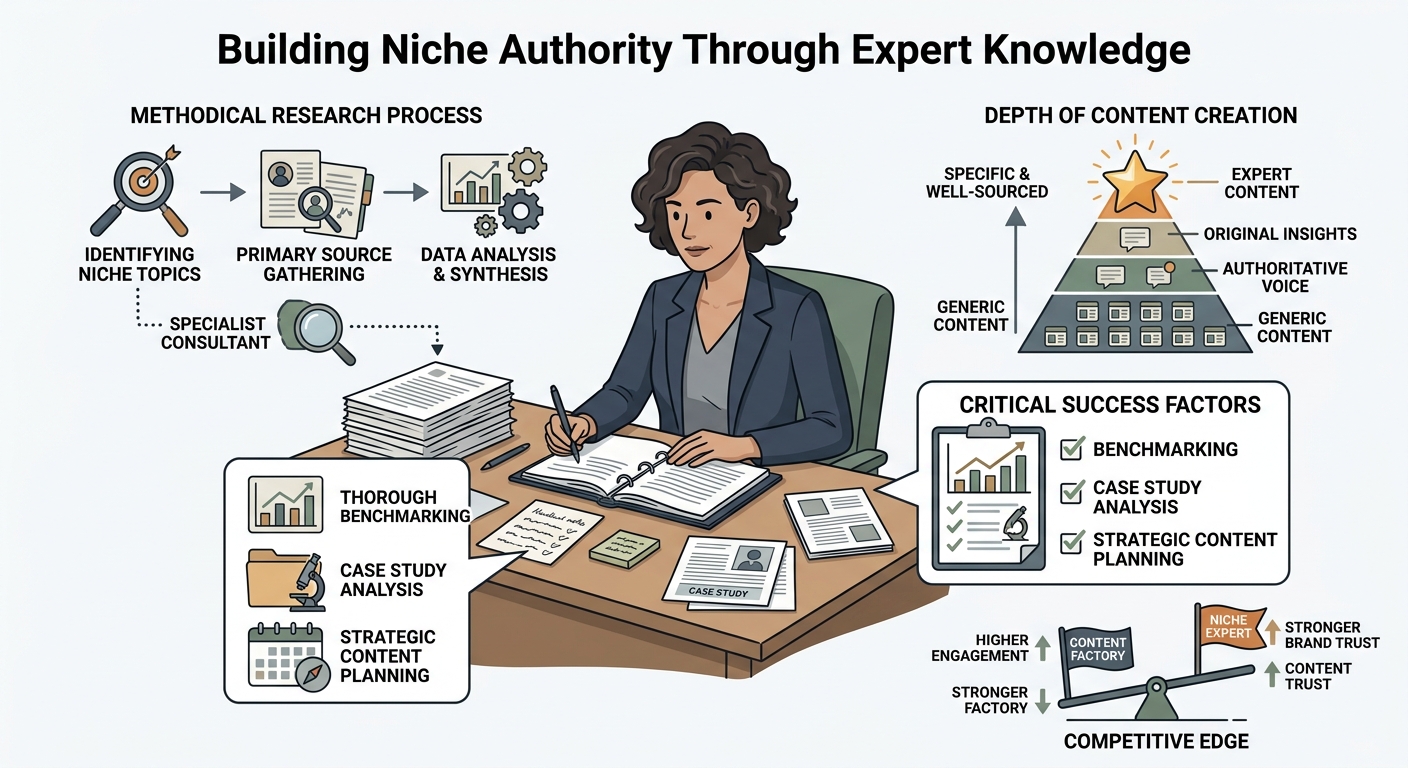
For niche SEO — dentists, lawyers, clinics, local service businesses — the content structure that earns AI citations is more specific than most teams are currently producing. Primary data, benchmark numbers, original case studies, and clearly attributed expert quotes are what AI engines pull. Generic how-to content with no original perspective is invisible to LLMs even if it ranks on Page 1 of Google. The 2026 niche content strategy needs to answer “why should an AI cite this instead of a larger competitor?” before it goes to the writer.
Quick Links:
