
Oxylabs

- 175M+ global IP pool
- Coverage in 195+ countries
- IP authentication
- Username/password authentication
- Proxy endpoint generator
Decodo

- 125M+ global IP pool
- 195+ proxy locations
- Carrier targeting for mobile proxies
- Third-party tool integration
- Automation-friendly proxies
Webshare

- 80+ million IPs
- 195+ countries
- 99.7% success rate
- 24/7 Expert Support
- Flexible pay-as-you-go pricing
Travel fare aggregation is one of the most technically demanding proxy use cases that exists. Airlines, hotels, and car rental platforms use some of the most sophisticated anti-scraping systems in any industry — and for good reason. Real-time pricing data is worth billions of dollars to platforms like Google Flights, Skyscanner, Kayak, and hundreds of OTA (Online Travel Agency) competitors all trying to show the best prices.
The challenge is not just getting access. It is getting accurate access. Airlines use dynamic pricing that changes based on your location, your browsing history, the device you are on, and even the time of day. A price checked from a New York residential IP looks different from one checked from the same IP after you have searched that route three times. Without proxies, travel fare data is personalised noise, not market truth.
Quick answer: Oxylabs for enterprise travel fare collection with the highest success rates. Decodo for travel aggregation startups and mid-market teams. SOAX for carrier-accurate fare verification. ProxyEmpire for airline app and mobile-specific fare monitoring.
What Makes a Proxy Good for Travel Fare Aggregation? (The Part Others Skip)
Travel sites use the most aggressive anti-bot systems outside of banking. Booking.com, Expedia, Ryanair, and major airlines have invested heavily in Akamai, Cloudflare, and PerimeterX protection layers. Success rates that a proxy delivers on Amazon (80-90% with basic residential proxies) often drop to 40-60% on major airline booking systems. Only premium residential proxies with clean IP histories and high trust scores deliver consistent results on these targets.
Mobile proxies outperform residential on mobile-first travel apps. Apps like Hopper, Skyscanner mobile, and airline-specific apps serve different prices than desktop websites — and they verify that the connection comes from a real mobile device. Desktop residential proxies fail on these apps. Mobile carrier proxies (4G/5G) are required to aggregate mobile-exclusive fares.
Airlines show different prices to different nationalities. A flight from London to Bangkok often shows different prices to a UK-IP browser versus a Thai-IP browser. This is not just about currency — it is a deliberate pricing strategy. Travel fare aggregators that show only one nationality’s price are missing significant fare variation. Coverage across 100+ countries with legitimate residential IPs in each is essential for comprehensive aggregation.
Session freshness is critical. Airlines track how many times the same IP has searched the same route. Prices increase after repeated searches — a well-documented practice called “price steering.” Travel fare aggregation must use fresh IPs for each fare check, or the prices collected after the first few requests will be artificially inflated.
9 Best Proxies for Travel Fare Aggregation in 2026
1. Oxylabs — Best for Enterprise Travel Fare Collection
IP Pool: 177M+ Pricing: $30/month to $2,000/month Travel Fare Tools: Web Scraper API, residential proxies with city and ISP targeting Website: oxylabs.io
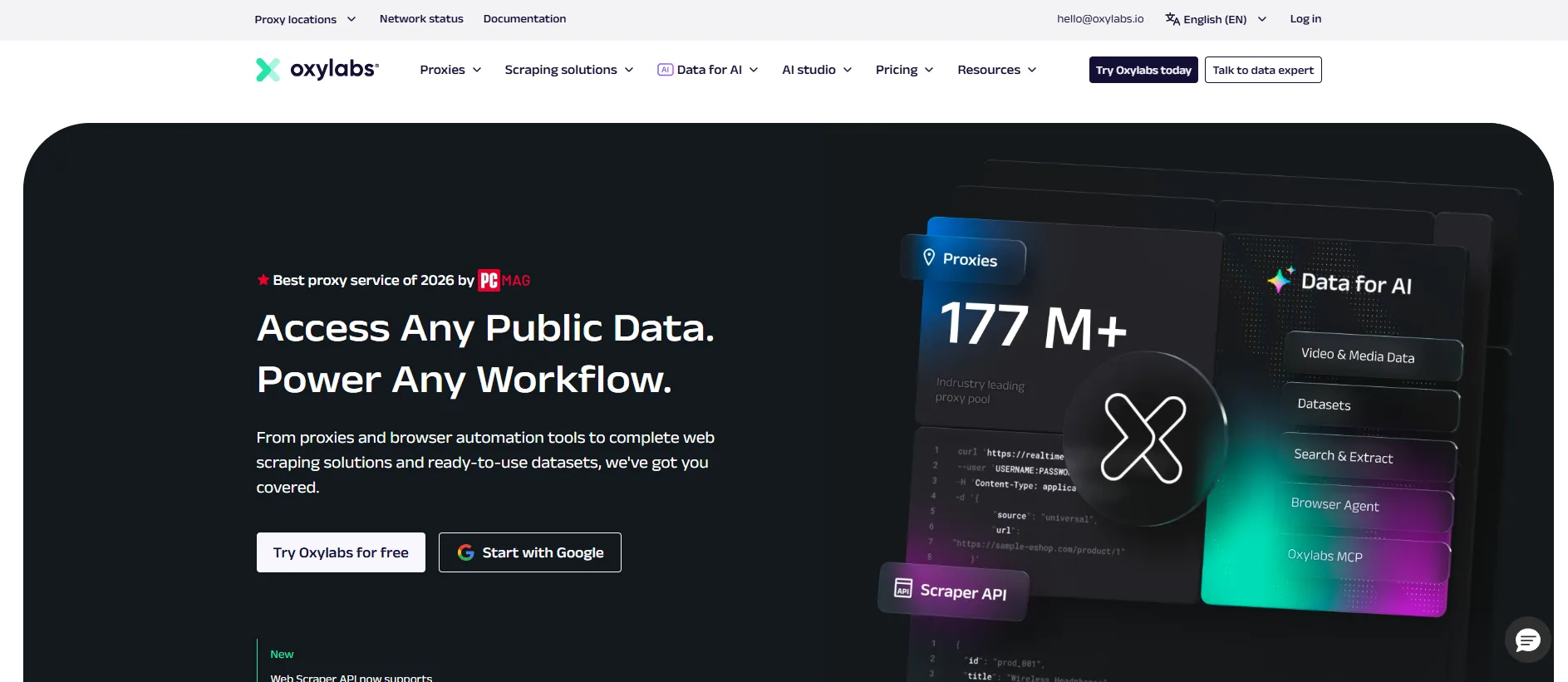
Oxylabs is the enterprise standard for travel fare aggregation. Its 177M+ residential IP pool — specifically praised by Oxylabs for travel use cases on its own website — combined with city-level geo-targeting and consistently high success rates makes it the most reliable infrastructure for large-scale airline and hotel pricing collection.
The Web Scraper API handles JavaScript rendering (required for dynamically loaded fare tables) and CAPTCHA solving automatically. For travel sites built on React or Angular that load prices asynchronously, this is essential — static page scraping misses the fare data entirely.
What others do not tell you: Oxylabs offers a dedicated “Travel Fare Aggregation” product page with travel-specific proxy configurations and success rate data. Their residential proxies are specifically tested and optimised for airline booking systems — not just generic web scraping. This matters because airline anti-bot systems are different from e-commerce anti-bot systems, and generic proxy configurations often fail on them.
The honest downside: High entry price. Enterprise-grade travel aggregation infrastructure costs $500+ per month at meaningful volume.
Best travel fare use cases: Airline pricing at scale, hotel rate monitoring across global OTAs, comprehensive multi-source fare collection for commercial travel platforms.
2. Decodo — Best for Travel Aggregation Startups and Mid-Market Teams
IP Pool: 115M+ Pricing: From $1.50/GB; 14-day money-back guarantee Website: decodo.com
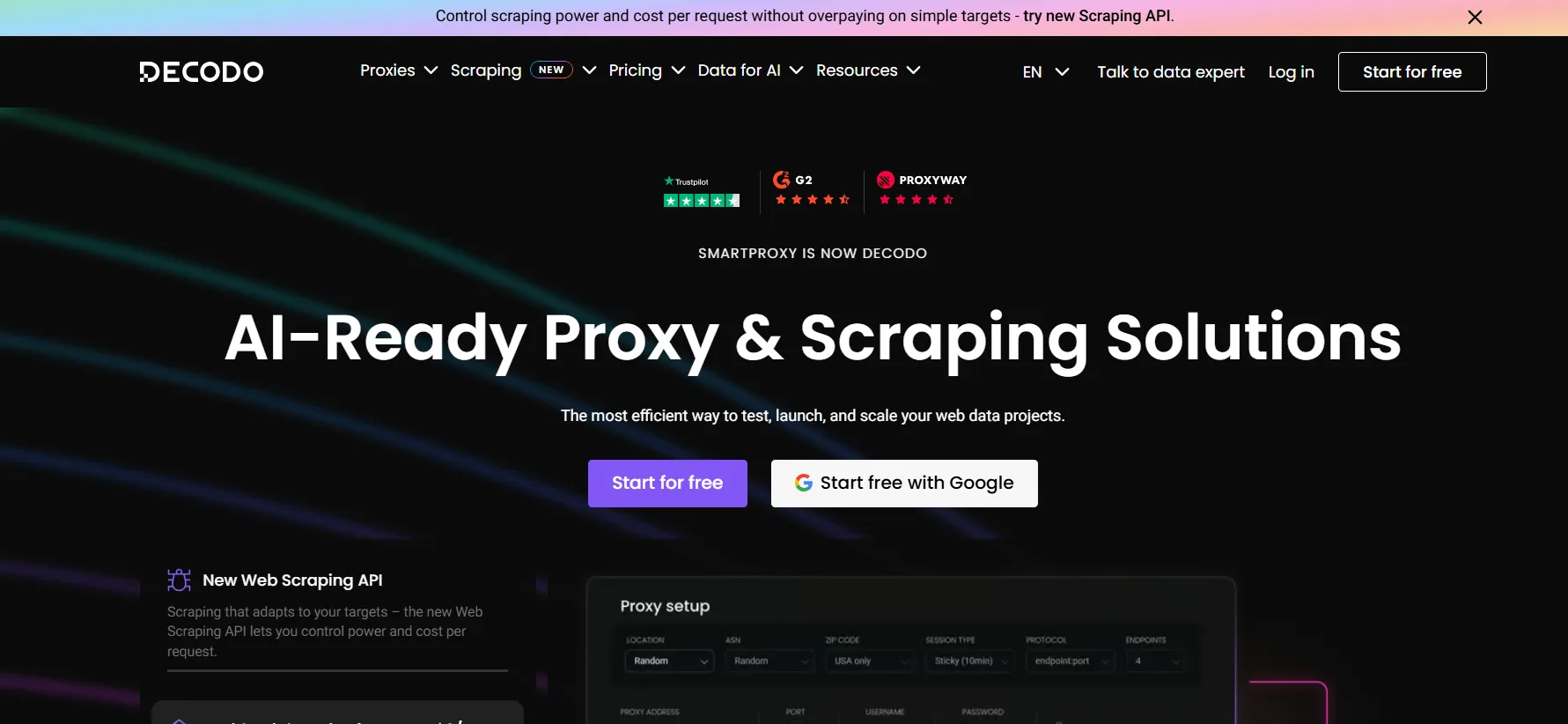
Decodo is the right starting point for travel aggregation businesses that are growing but not yet at enterprise scale. Its 195+ country coverage with city-level targeting covers the major aviation markets — US, EU, UK, Middle East, Southeast Asia — where fare variation is most significant. The 14-day money-back guarantee gives travel teams time to test success rates on their specific target airlines and OTAs before committing.
Sticky sessions of up to 24 hours support extended fare collection workflows on airline sites that require login state or session continuity for multi-step booking flow data collection.
What others do not tell you: Decodo’s travel fare aggregation use case is explicitly documented on their website. They offer proxy zone configurations specifically tested for airline and hotel booking platforms, reducing the configuration experimentation time that would otherwise be spent on trial and error.
Best travel fare use cases: Growing travel comparison platforms, OTA competitive intelligence, hotel rate parity monitoring, airline price tracking for corporate travel tools.
3. Webshare — Best for Small Fare Comparison Tools
IP Pool: 30M+ Pricing: Free to $1.40/GB Website: webshare.io
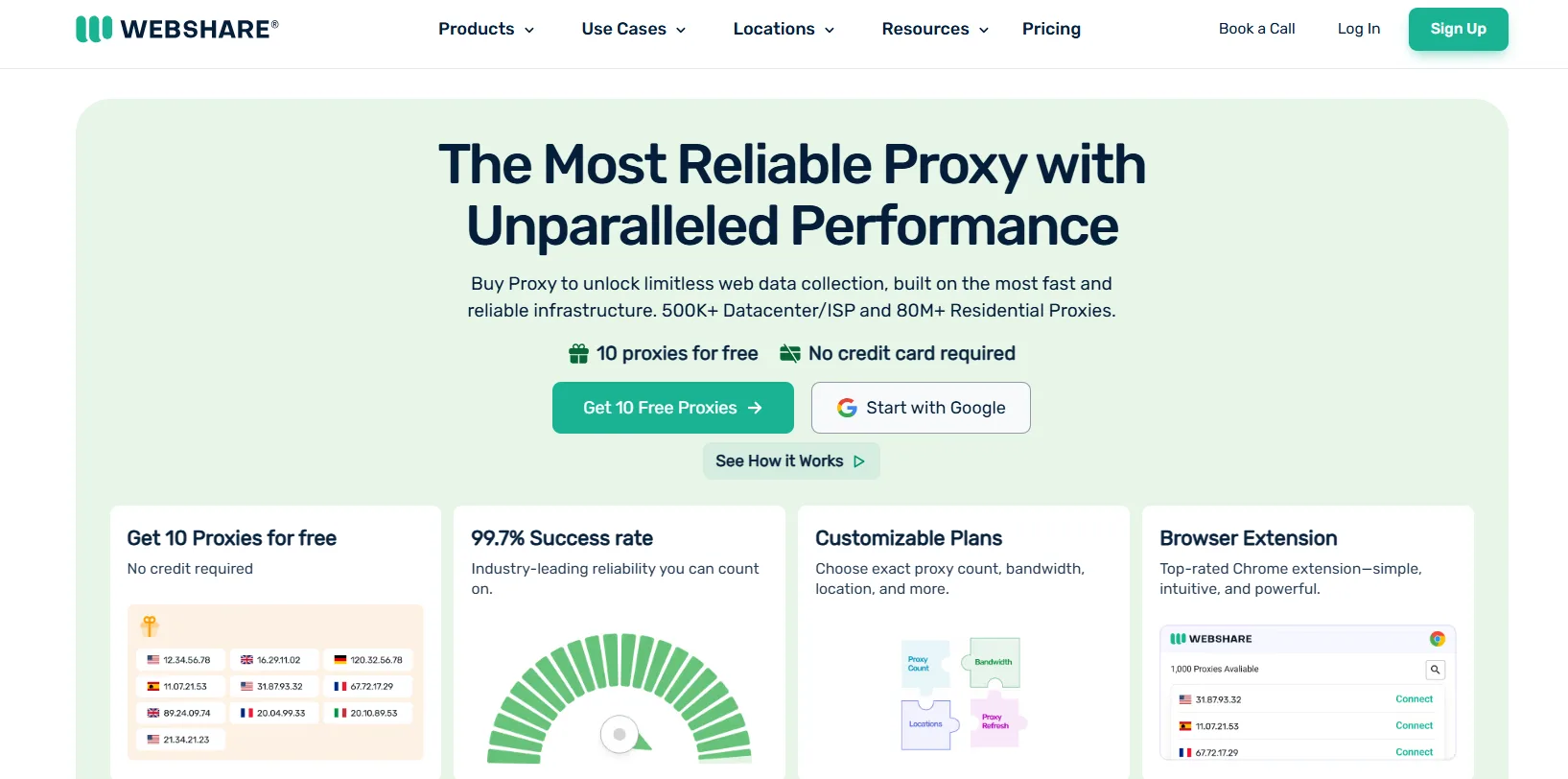
For small travel comparison tools, budget travel blogs running comparison widgets, or individual developers building fare tracking tools as side projects, Webshare provides accessible residential proxy access. The success rates on major protected airline sites (Ryanair, Spirit, major legacy carriers) will be lower than premium providers, but for less-protected OTAs and hotel aggregators, Webshare delivers usable fare data at low cost.
Best travel fare use cases: Small OTA scraping, hotel comparison widgets, budget travel site fare verification.
4. Bright Data — Best for Comprehensive Travel Data Including Mobile Fares
IP Pool: 150M+ Pricing: From $4.20/GB PAYG Website: brightdata.com
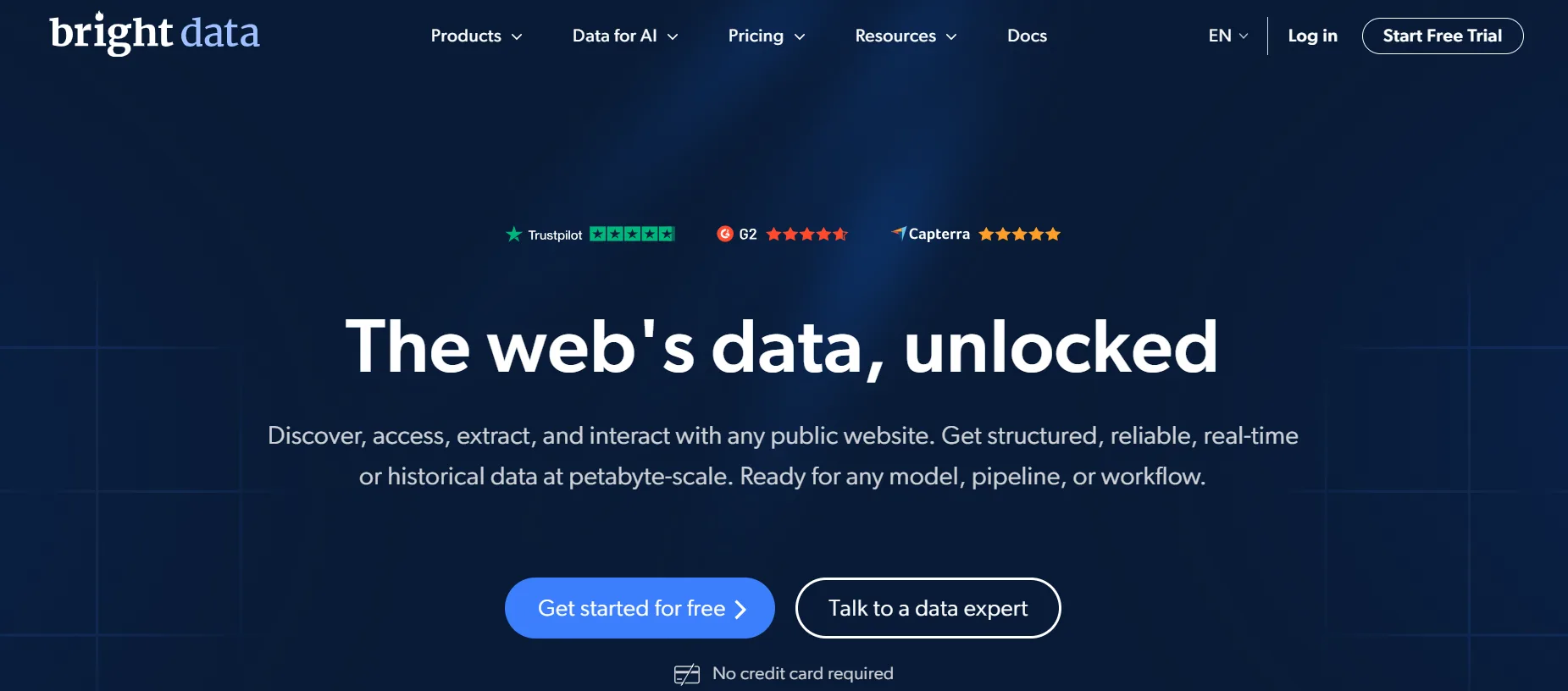
Bright Data’s combination of the largest residential pool, mobile proxy network, and Web Unlocker (handling the most sophisticated anti-bot systems) makes it the most comprehensive option for travel fare aggregation that includes mobile app fares — the prices shown in Hopper, airline apps, and mobile-exclusive booking interfaces.
Mobile app fares are frequently 5-15% lower than desktop website fares for the same route and date. Aggregators that only collect desktop prices are systematically underrepresenting the cheapest available fares. Bright Data’s mobile proxies collect mobile-specific prices that desktop-only aggregators miss.
Best travel fare use cases: Comprehensive fare data including mobile-exclusive prices, enterprise travel intelligence platforms, complete OTA price comparison.
5. SOAX — Best for Carrier-Accurate Travel Fare Data
IP Pool: 191M+ claimed Pricing: From $3.60/GB Website: soax.com
Airlines frequently personalise prices by carrier — showing different fares to subscribers of different mobile carriers based on their purchasing behaviour data profiles. SOAX’s carrier-level targeting (specifying which mobile carrier the IP should appear to come from) enables travel aggregators to collect the most precise fare data available — carrier-specific pricing that broader residential proxies average out.
Best travel fare use cases: Carrier-specific fare variation research, precise airline pricing analytics, loyalty programme price differential monitoring.
6. IPRoyal — Best for Budget Travel Fare Monitoring
IP Pool: 32M+ Pricing: From $1.75/GB; non-expiring Website: iproyal.com
Travel startups and smaller fare comparison tools with limited budgets can run ongoing fare monitoring with IPRoyal’s non-expiring residential traffic. The pay-only-for-what-you-use model works well for travel tools with uneven data collection schedules — heavy collection around holidays and peak booking periods, lighter collection otherwise.
Best travel fare use cases: Budget fare monitoring for smaller markets, non-expiring credits for irregular collection schedules.
7. ProxyEmpire — Best for Airline App and Mobile-First Fare Monitoring
IP Pool: 30M+; 170+ countries Pricing: Custom; $1.97 trial Website: proxyempire.io
ProxyEmpire explicitly lists travel fare aggregation as a primary use case. Its mobile proxy network — with 4G/5G carrier IPs across 170+ countries — is the most practical option for travel aggregators needing to collect fares from airline mobile apps, airline-specific booking apps, and mobile-exclusive promotional fares that are not visible on desktop.
What others do not tell you: ProxyEmpire’s VIP integration support — included with every plan — is particularly valuable for travel fare aggregation because the technical configuration for airline anti-bot systems is non-trivial. Having hands-on support for configuring the right session settings, rotation intervals, and targeting parameters for specific airline targets reduces the failure rate significantly during initial setup.
Best travel fare use cases: Airline app fare monitoring, mobile-exclusive promotional fare collection, carrier-specific mobile booking price tracking.
8. Rayobyte — Best for Compliant Travel Data Collection
IP Pool: 40M+ Pricing: Custom Website: rayobyte.com
For travel businesses that share data with partners, publish pricing research, or operate in markets with strong data protection requirements, Rayobyte’s compliance-documented IP sourcing provides a defensible data collection practice. All IPs are sourced with full user consent documentation — important for travel data applications where data provenance questions arise.
Best travel fare use cases: Travel research publication, partner data sharing with compliance requirements, transparent travel pricing intelligence.
9. DataImpulse — Best for High-Volume Lower-Protection Travel Sites
IP Pool: 90M+ Pricing: From $1/GB Website: dataimpulse.com
Not all travel data comes from heavily protected airline booking systems. Hotel review aggregation, restaurant pricing for travel apps, local transport data, and smaller regional OTAs often have significantly lighter bot protection. For these sources, DataImpulse’s $1/GB pricing enables high-volume collection at minimal cost, reserving premium proxy budget for the harder targets.
Best travel fare use cases: Hotel and restaurant data aggregation, smaller OTA monitoring, travel review data collection, regional transport pricing.
Quick Comparison Table
Provider | IP Pool | Starting Price | Best For | Free Trial |
Oxylabs | 177M+ | From $6/GB | Enterprise airline/hotel scraping | Yes (limited) |
Decodo | 115M+ | From $1.50/GB | Travel aggregation startups, mid-market | 100MB free |
Webshare | 30M+ | From $1.40/GB | Small fare comparison tools | 10 proxies free |
Bright Data | 150M+ | From $4.20/GB PAYG | Comprehensive travel data, mobile fares | Yes (business) |
SOAX | 191M+ claimed | From $3.60/GB | Carrier-accurate fare data | Paid trial |
IPRoyal | 32M+ | From $1.75/GB | Budget fare monitoring, non-expiring | No |
ProxyEmpire | 170+ countries | Custom | Airline app mobile fare monitoring | $1.97 trial |
Rayobyte | 40M+ | Custom | Compliant travel data collection | No |
DataImpulse | 90M+ | From $1/GB | High-volume lower-protection travel sites | 5GB for $5 |
Which Travel Fare Proxy Is Right for You?
“I run an enterprise travel intelligence platform monitoring major airlines globally.” Oxylabs for the highest success rates and travel-optimised proxy configurations.
“I am building a travel comparison startup and need to test before committing budget.” Decodo with the 14-day money-back guarantee — test your specific airline targets first.
“I need mobile app fares, not just desktop prices.” Bright Data for comprehensive mobile + desktop coverage. ProxyEmpire for mobile-first with VIP setup support.
“I need carrier-specific pricing data to understand fare personalisation.” SOAX for ISP and carrier-level targeting.
“My collection needs are irregular — heavy around school holidays and peak seasons.” IPRoyal or DataImpulse — both have non-expiring credits so you pay only when you collect.
FAQs: Best Proxies for Travel Fare Aggregation in 2026
Why do airlines show different prices to different users?
Airlines use dynamic pricing algorithms that personalise fares based on your location, browsing history, device, and even the carrier you use. This is why searching the same flight multiple times increases the price. Proxies with fresh residential IPs from different locations deliver unbiased fare data.
Do I need residential or datacenter proxies for airline fare scraping?
Residential proxies are essential for major airlines. Datacenter IPs are blocked almost instantly by Akamai and PerimeterX systems that protect airline booking platforms. Mobile carrier proxies are needed for mobile app fare collection.
Is travel fare scraping legal?
Collecting publicly available fare data from airline and OTA websites is generally legal in most jurisdictions. Some airline terms of service prohibit automated scraping, which creates contractual risk even if there is no legal violation. Always consult legal counsel for your specific business model.
Why are mobile fares often cheaper than desktop fares?
Airlines use different pricing strategies for mobile app users, who have higher booking intent and are more likely to be loyalty programme members. Some promotional fares are exclusively available in airline apps. Mobile fare aggregation requires mobile carrier proxies to capture these prices.
Quick Links
Final Thoughts: Best Proxies for Travel Fare Aggregation in 2026
Travel fare aggregation is one of the highest-stakes proxy applications because pricing accuracy directly translates to user trust and booking revenue. An aggregator that shows prices 15% higher than available because it cannot collect mobile app fares loses users to competitors who can.
Invest in the right proxy infrastructure for your specific travel data targets. Oxylabs and Bright Data for comprehensive enterprise coverage. Decodo for growing platforms that need reliability at competitive pricing. ProxyEmpire for mobile-first travel fare collection.
All pricing verified from publicly available sources as of October 2026.
