
Performance | Good for small businesses and startups. |
|
Features | Has eCommerce features, POS, and advanced tools. | |
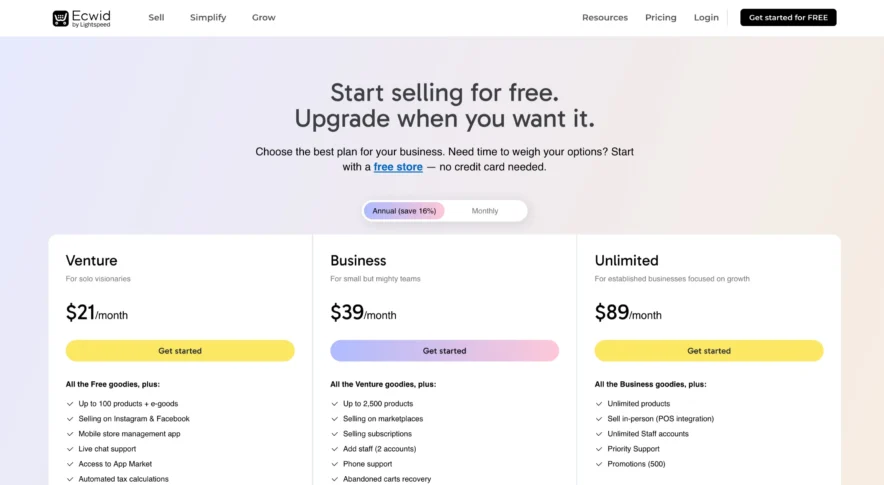
Pricing | Starts at $0/month (Free Plan), paid plans from $15/month | Starts at $29/month (Basic Plan) |
Templates | ||
Location of Data Centers | U.S., Europe, and Asia. | Global data centers for fast performance. |

When it comes to setting up an online store, Ecwid and Shopify are two of the most popular platforms, each offering unique features to suit different business needs.
Shopify is a complete e-commerce solution that lets you build and manage a full-fledged online store, with powerful tools for inventory management, marketing, and sales.
It’s ideal for businesses looking for an all-in-one platform with plenty of customization options.
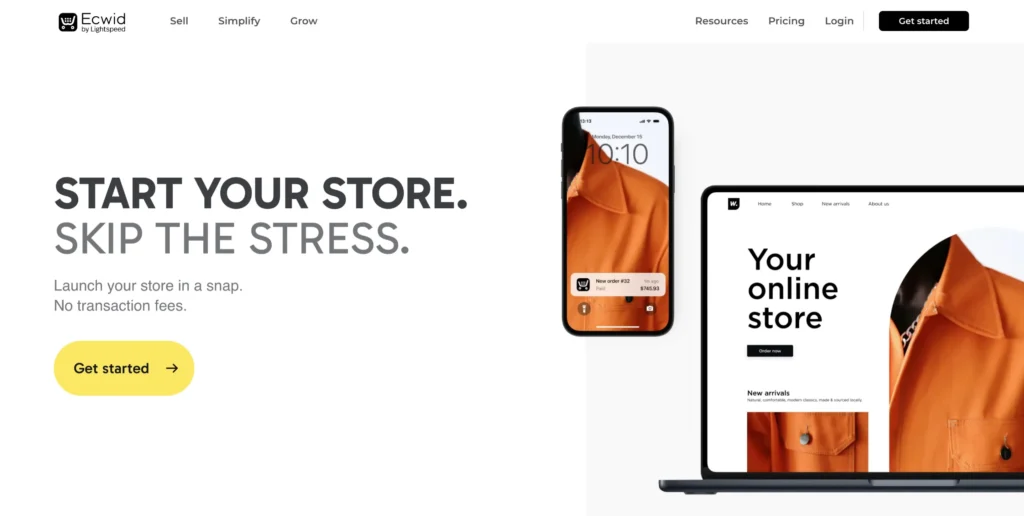
On the other hand, Ecwid is a more lightweight, flexible option that allows you to add an online store to your existing website or social media pages.
It’s great for businesses that already have an online presence and want a simple way to sell products without a full redesign.
In this comparison, we’ll take a closer look at their features, pricing, and ease of use, helping you decide which platform is the right fit for your business. Let’s get started!

Ecwid vs Shopify: Features
Ecwid Features
1. Ease of Use
Ecwid is designed to be simple and easy to integrate with existing websites.
Whether you have a WordPress site, Wix, or even a custom-built site, you can quickly add an Ecwid store. It’s ideal for those who already have a website and just need an e-commerce solution.
2. Store Design & Customization
Ecwid provides a range of customizable themes, but the design flexibility is more limited compared to other platforms.
You can adjust themes to match your branding, but more advanced design modifications might require third-party plugins or custom coding.
3. Product Management
Ecwid supports digital, physical, and subscription-based products. It has basic features for product management like categories, variations, and pricing rules.
Inventory management is also available, but it’s less advanced than other platforms.
4. Payment Gateways & Fees
Ecwid supports over 50 payment gateways, including PayPal, Stripe, and Square.
Ecwid doesn’t charge any transaction fees, which is an advantage for businesses looking to avoid extra charges. However, some payment options and advanced features may require a paid plan.
5. Marketing & SEO
Ecwid includes basic SEO tools like customizable URLs, meta descriptions, and alt-text for images. It can integrate with Google Ads and social media platforms for basic marketing, but its marketing tools are more basic compared to others, like Shopify.
6. Mobile Compatibility
Ecwid is mobile-responsive, meaning your store will automatically adjust for smartphone and tablet users. However, mobile customization options are somewhat limited.
7. Customer Support
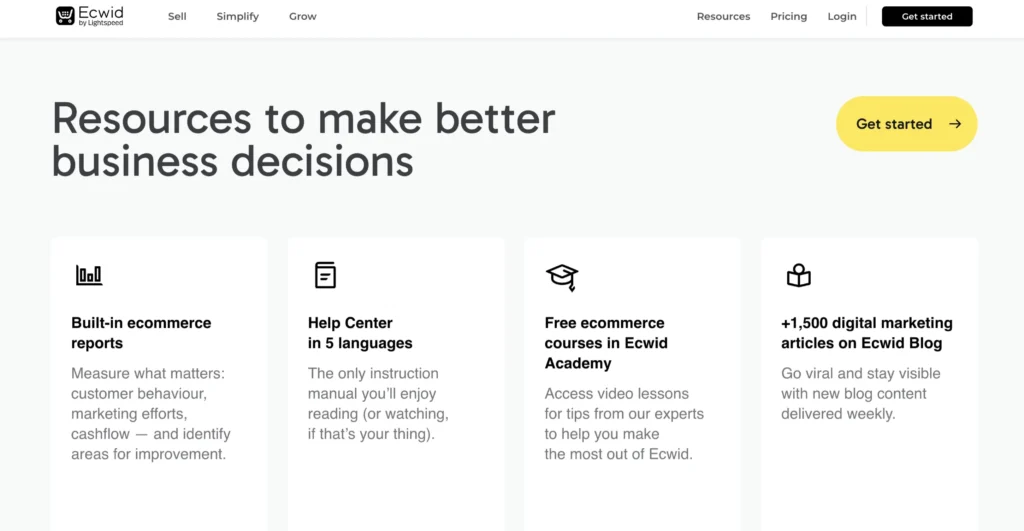
Ecwid offers customer support through email, live chat, and a knowledge base. The live chat feature is available during business hours, and a community forum can also be a helpful resource for troubleshooting.
8. Integration
Ecwid integrates with tools like Zapier, Mailchimp, and Google Analytics. It can also connect with social platforms like Facebook and Instagram, allowing you to sell directly on these channels.
However, its native integration options are fewer than those of Shopify.
Shopify Features

1. Ease of Use
Shopify is designed to be user-friendly with drag-and-drop functionality.
Although it has a steeper learning curve compared to Ecwid, it offers a full-fledged e-commerce platform that includes hosting, payment processing, and inventory management, making it ideal for both beginners and advanced users.
2. Store Design & Customization
Shopify offers a wide range of beautiful, responsive themes (both free and paid) that are fully customizable.
Advanced users can edit the themes using CSS and HTML, providing more design flexibility than Ecwid. Shopify gives you full control over the look and feel of your store.
3. Product Management
Shopify provides robust product management tools. You can manage a variety of products (physical, digital, and services), including creating product variants, tracking inventory, and setting up multiple locations. Shopify also includes advanced reporting and analytics features.
4. Payment Gateways & Fees
Shopify supports more than 100 payment gateways, including its own Shopify Payments system.
Using Shopify Payments reduces transaction fees, but if you opt for a third-party payment processor, Shopify charges additional fees. Shopify also allows for international payment methods and currencies.
5. Marketing & SEO
Shopify excels in marketing and SEO tools. It offers easy integration with Google Ads, Facebook Ads, email marketing, and social media.
Shopify’s built-in SEO tools allow you to customize meta tags, URLs, and image alt texts for better search engine visibility. The platform also offers discount codes and advanced reporting.
6. Mobile Compatibility
Shopify is fully optimized for mobile, ensuring your store works seamlessly across smartphones and tablets.
It also offers a mobile app for store management, allowing you to handle inventory, fulfill orders, and monitor sales directly from your phone.
7. Customer Support
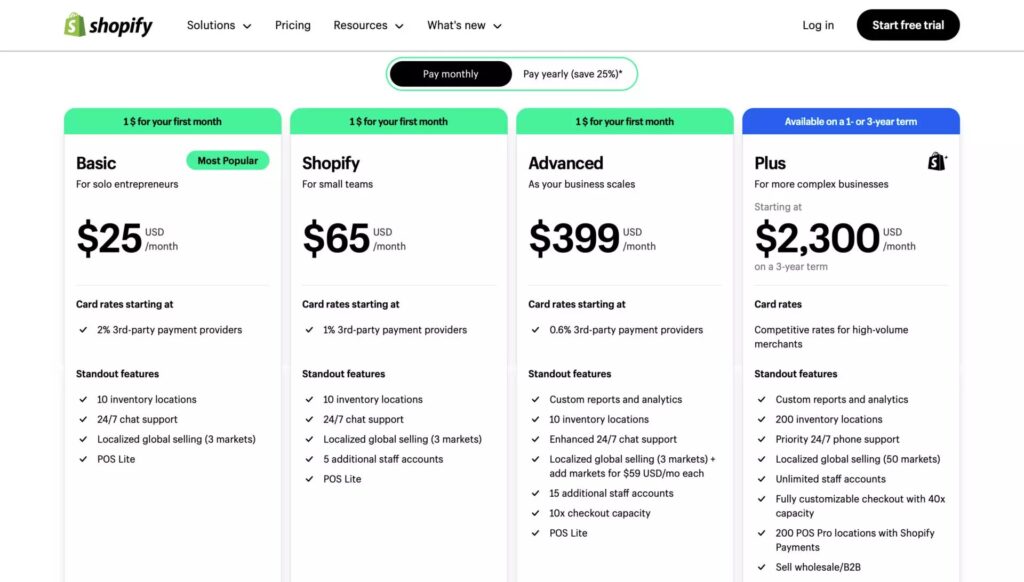
Shopify offers 24/7 customer support through live chat, email, and phone. Its support system is highly responsive, and it also provides a vast help center, guides, and community forums to assist with troubleshooting.
8. Integrations
Shopify boasts a massive app marketplace with thousands of integrations.
From accounting software to advanced marketing tools, there’s an app for almost every need. Shopify integrates with popular third-party services like QuickBooks, Mailchimp, Google Analytics, and many others.
Ecwid vs Shopify: Customer Support
Ecwid Support:
- Channels: Live chat (business hours), email, knowledge base, and community forum.
- Availability: Support during business hours; responses typically within 24-48 hours.
- Features: Online tutorials (Ecwid Academy), priority support for higher-tier plans.
- Limitations: Limited support hours and fewer support channels.
Shopify Support:
- Channels: 24/7 live chat, phone support, email, help center, and community forum.
- Availability: Round-the-clock support, ideal for businesses operating globally.
- Features: Shopify Academy, priority support for higher-tier plans.
- Limitations: Response times may vary for lower-tier plans.
Quick Links:
- FlexiFunnels Vs Unbounce
- Klaviyo VS Omnisend
- Omnisend Vs Drip Ecommerce
- Unbounce vs Leadpages
- Unbounce Pricing Plans
- Debutify vs Booster Theme
- Shopify vs Shopify Plus
- SamCart vs Shopify
Conclusion: Ecwid vs Shopify 2026
Ecwid and Shopify are both great ecommerce platforms that have a lot to offer businesses of all sizes. However, there are some key areas where Ecwid outshines Shopify.
If you’re looking for an easy-to-use platform with plenty of features, Ecwid is the way to go.
And if you need more help getting started or want more customization options, Shopify might be a better fit for you.
Ultimately, the best ecommerce platform for your business will depend on your individual needs and preferences. So what are you waiting for? Start exploring today and see which platform works best for you!
