
What Those Numbers Mean for Structured Data

Google confirmed at I/O yesterday that AI Overviews now reach 2.5 billion users per month. That is not a beta feature anymore — it is the default search experience for a significant portion of global search traffic. And AI Overviews pull heavily from structured data. Pages with clean schema markup — FAQPage, HowTo, Article, Product, LocalBusiness — are the ones AI Overviews can reliably extract from and cite.
For SMBs doing local SEO, this is the clearest argument yet for getting schema right: the AI that 2.5 billion people are reading their search results from is looking for structured signals to decide what to include.
The Schema Types That Matter Most Right Now
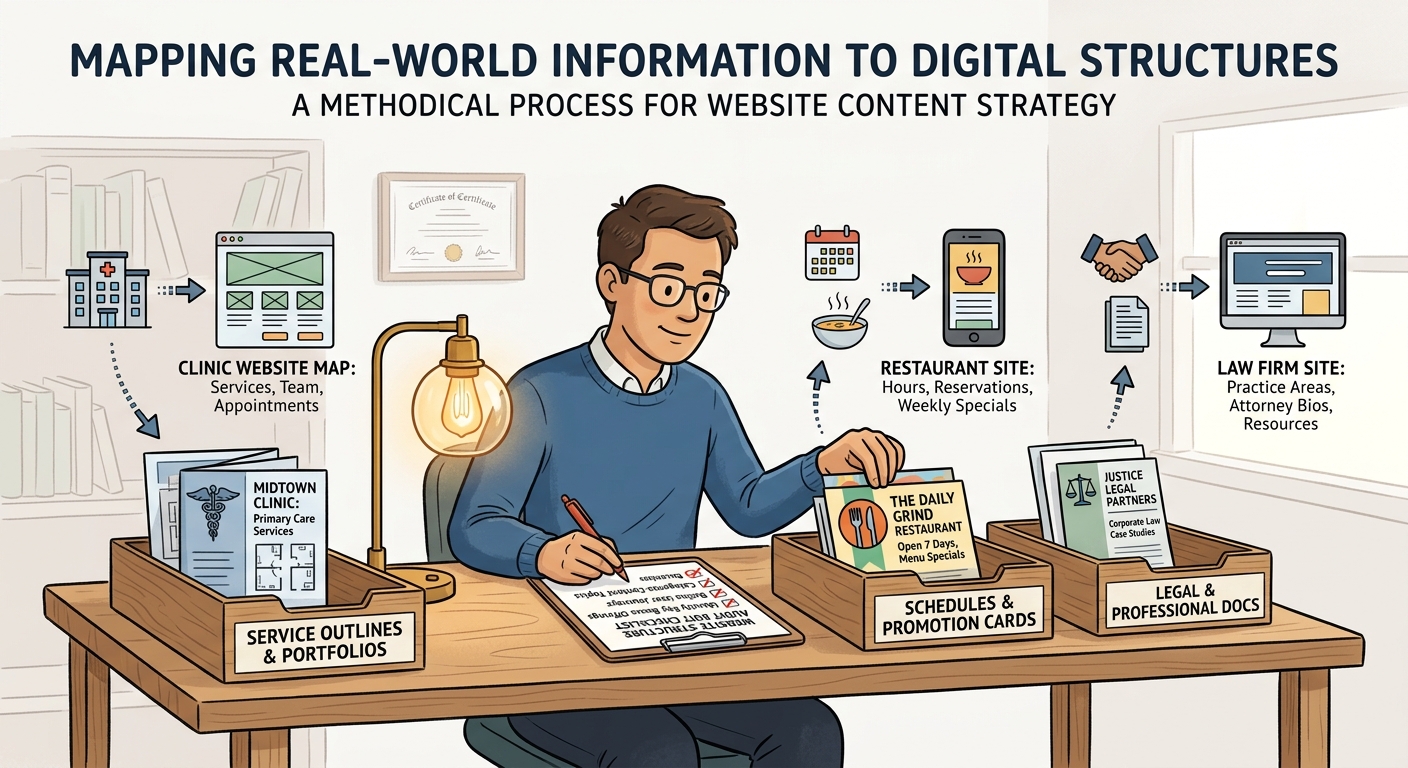
FAQPage schema adoption has been rising steadily, driven by AI search strategy rather than just traditional SERP rich results. LocalBusiness schema with accurate NAP data, operating hours, and service area is critical for local businesses that want to appear in AI-generated local answers.
How To schema works well for clinic, legal, and dental content where step-by-step guidance is what searchers actually need. The practical move for any SMB right now is a simple schema audit — check what is implemented, fix what is broken, and add the types that match your most important content.
Content That Gets Cited by AI in 2026 Looks Nothing Like Old SEO Content
What AI Systems Actually Pull From
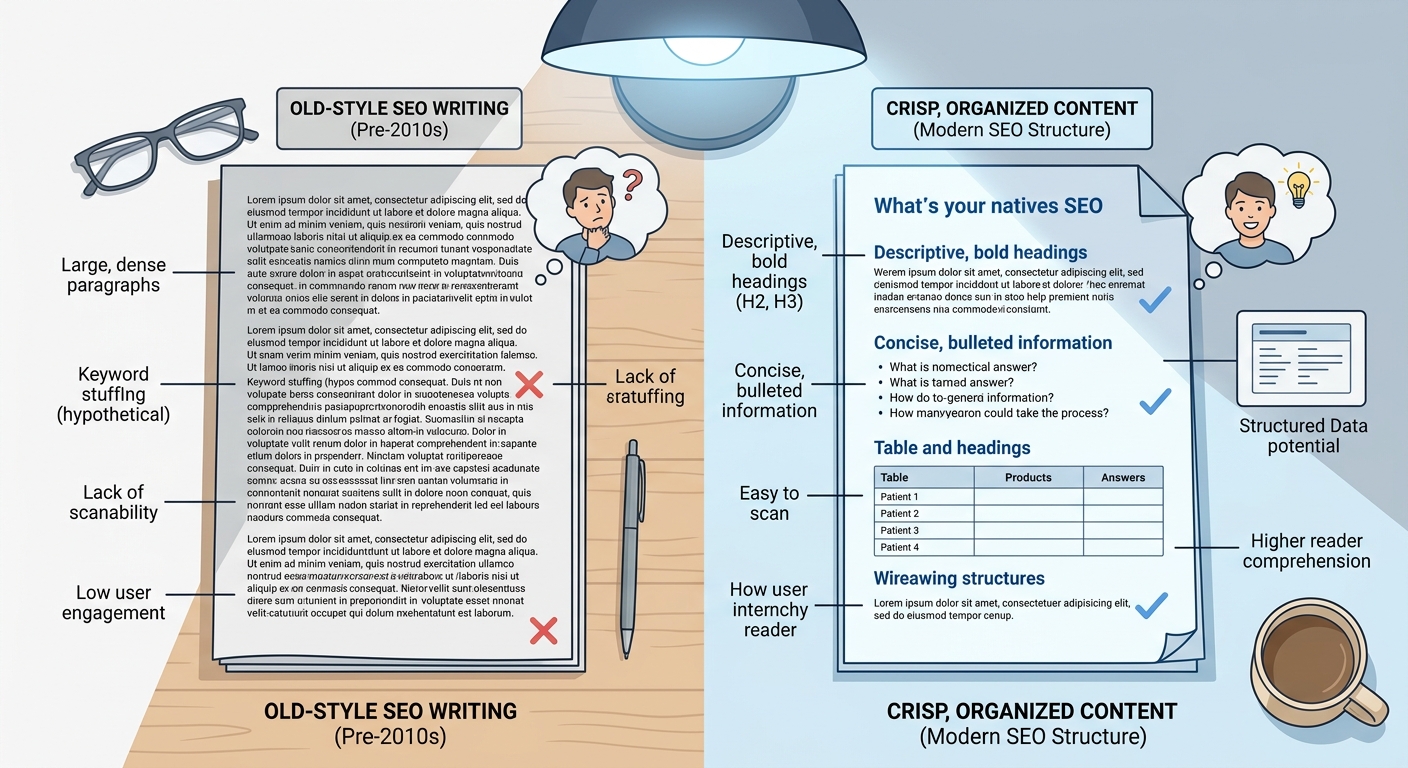
The data from AI citation analysis in October 2026 is getting clearer. URL accessibility, search rank, intent-format match, and authority signals all matter — but the content format is what determines whether AI systems can extract and cite your content reliably. Short, clear answers. Structured headers. Specific facts with sources.
Tables and comparison formats. FAQ sections that actually answer the question directly. AI systems are not reading your content the way a human skims an article — they are extracting answers to specific questions. Content that is organized to answer questions clearly gets cited. Content that buries the answer in paragraphs of build-up does not.
The Simple Content Audit That Actually Moves the Needle
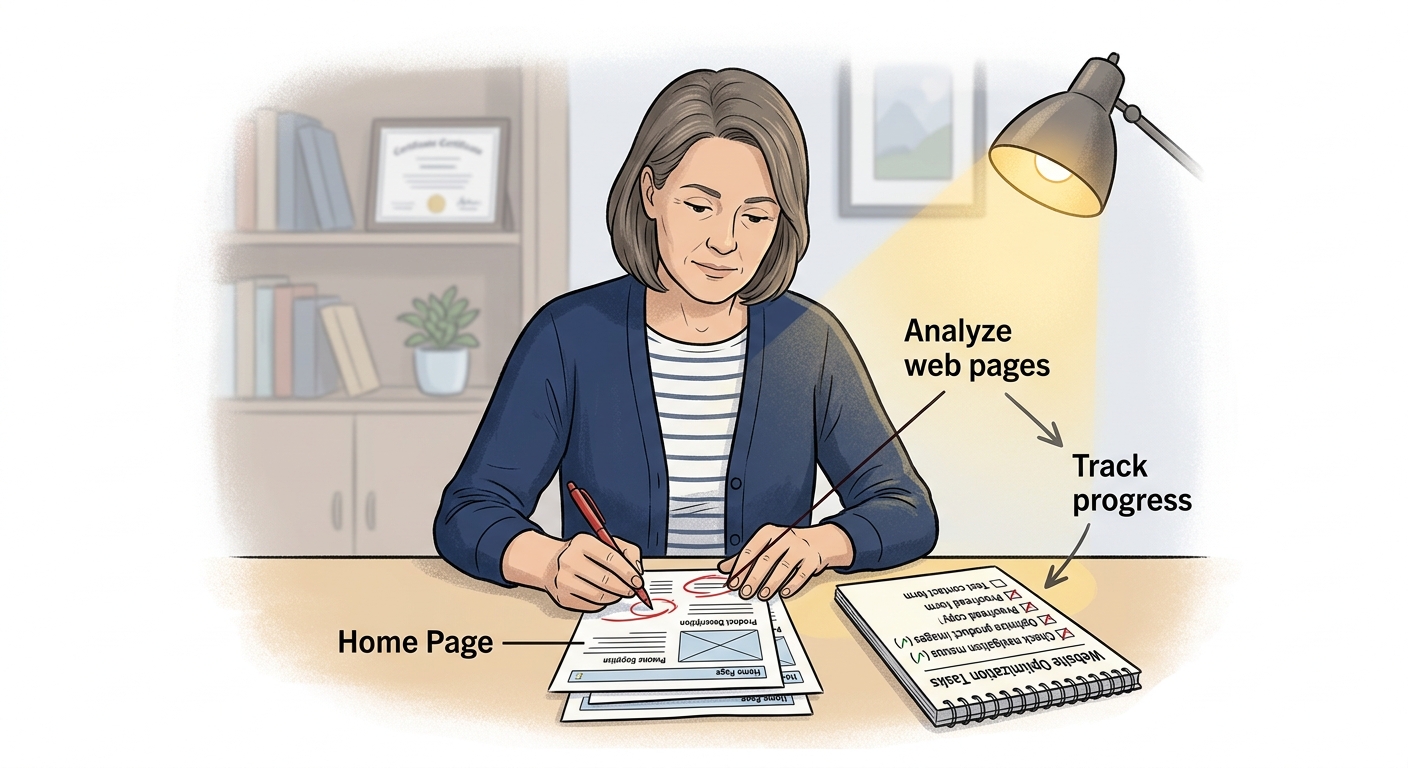
For content marketers working with SMBs, the audit is straightforward: take your 10 most important pages and ask whether each one gives a clear, direct answer to the query it is targeting within the first 100 words. Add a structured FAQ section at the bottom of every major page.
Use tables for any comparison or specification content. Make sure every factual claim has a source or data point. None of this is complicated — but the SMBs that do it consistently will outperform larger competitors who are still publishing long-form content that makes readers work too hard to find the answer.
Quick Links:
