
Performance | Ideal for optimizing checkout pages and selling digital products with high conversion rates. | Perfect for building and scaling full-fledged e-commerce stores with both physical and digital products. |
Features | Includes checkout customization, upsells, order bumps, affiliate management, and sales funnels. | Offers comprehensive e-commerce tools like product management, inventory tracking, and multi-channel selling. |
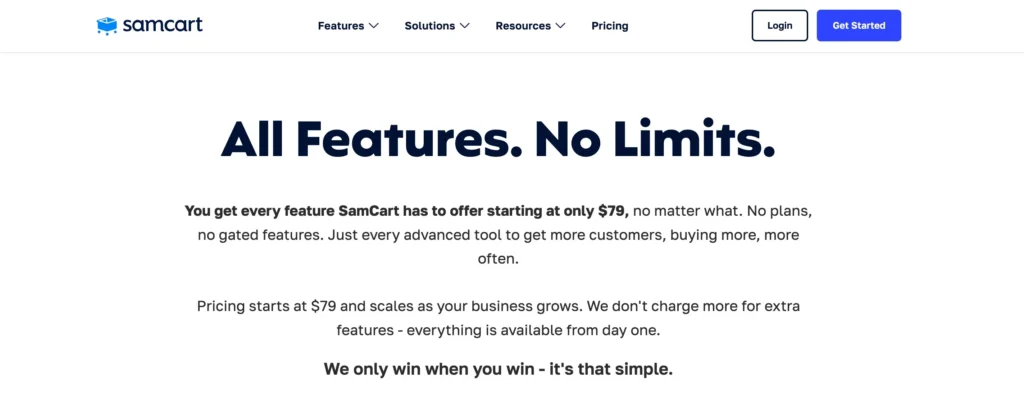
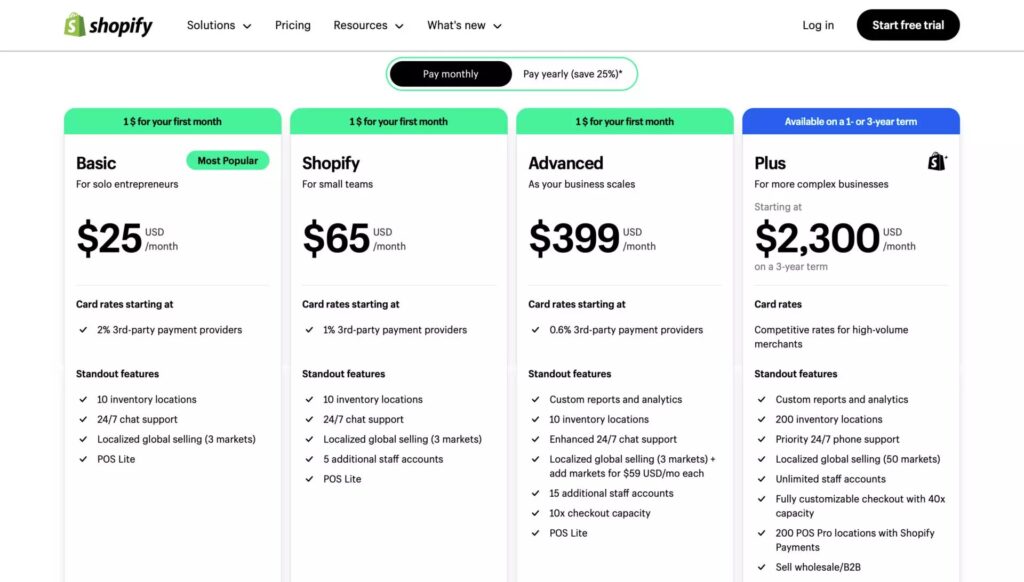
Pricing | Pricing starts at $79/month | Starts at $29/month (Basic Plan) |
Templates | Pre-designed, customizable checkout templates optimized for sales. | A large selection of customizable themes for online stores with design flexibility. |
Location of Data Centers | U.S.-based data centers for secure transactions. | U.S., Europe, and Asia-based data centers for global reach and fast performance. |
To sell products online, you need a reliable eCommerce system. I believe that both SamCart and Shopify are fantastic market opportunities.
While they share certain commonalities, each platform offers features tailored to different enterprises.
Shopify has become a prominent platform, with over 400 million online businesses and 1.75 million sellers.
It is a dynamic platform that serves a variety of enterprises. It may not, however, be the best answer for individuals who primarily offer a single digital product.
In this comparison, I will examine the differences between critical features of both platforms, including product listing capabilities, design customization options, sales funnels, integrations, pricing, and more.
You can decide which platform best meets your needs if you understand how SamCart and Shopify compare.
Let’s start with the review and examine the features and functionalities of both eCommerce behemoths.
Features Comparison: SamCart Vs Shopify

1. Ease of Use
SamCart
SamCart is incredibly user-friendly, with a simple and intuitive interface that’s easy for beginners to navigate. You don’t need any coding experience to set up a checkout page.
The platform is designed for quick setup and streamlined checkout, making it ideal for sellers focused on digital products or services.
Shopify
While Shopify is also user-friendly, it has more complex functionalities due to its full e-commerce capabilities. It allows you to build, manage, and scale an entire online store.
With drag-and-drop tools and customizable templates, Shopify is easy to use. Still, there’s a steeper learning curve if you’re looking to manage advanced features like shipping, inventory, or multi-channel sales.
2. Templates and Web Design
SamCart
SamCart offers 18 mobile-responsive templates optimized for high-converting checkout pages. The templates are easy to customize, allowing users to adjust elements such as colors and buttons to match their branding.
Shopify
Shopify offers a much larger variety of over 70 themes for building a complete e-commerce store, including both free and paid options.
The themes are mobile-friendly, and if you have coding skills, you can further customize them. Shopify’s templates are designed for full online stores rather than just checkout pages.
3. E-commerce Features
SamCart
SamCart simplifies the checkout process with features such as one-click upsells, subscription management, and A/B testing.
It’s built for selling digital products, services, or subscriptions, but lacks the comprehensive features for managing large product inventories or multi-channel selling.
Shopify
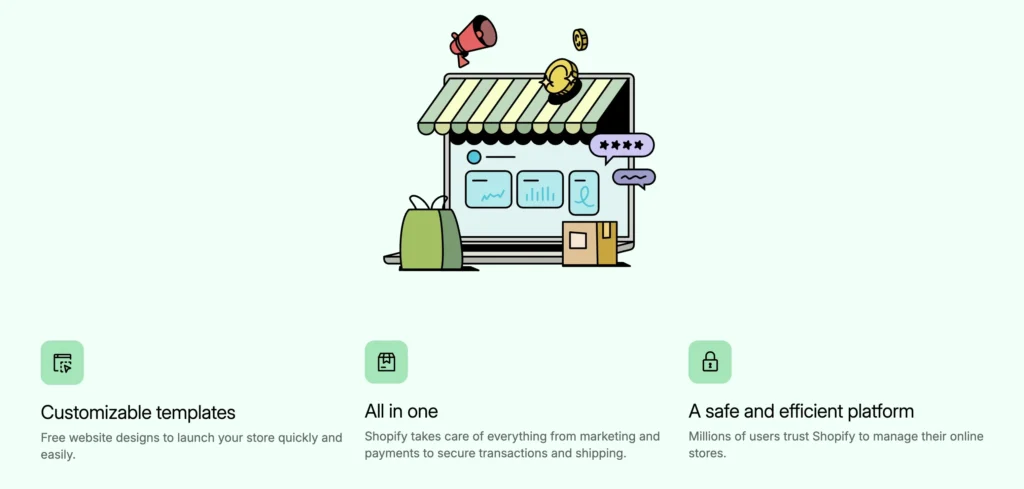
Shopify is an all-in-one e-commerce platform that offers everything from product management to shipping, payment processing, and customer support.
It supports both digital and physical products, multi-channel selling (like Instagram and Amazon), and includes powerful features for businesses looking to scale.
4. Payment Options
SamCart
SamCart integrates seamlessly with PayPal and Stripe, allowing you to accept payments from customers globally.
It also includes options for creating subscription-based billing and recurring payments, making it perfect for businesses that rely on memberships or subscriptions.
Shopify
Shopify supports over 100 payment gateways, including its own payment processor, Shopify Payments.
This gives you the flexibility to choose the most convenient payment options for your customers and eliminates additional transaction fees when using Shopify Payments.
5. Affiliate Marketing
SamCart
SamCart comes with a built-in affiliate system that lets you easily set up and manage affiliate programs.
You can control commission rates, set up bonuses, and track affiliate sales directly from your account, making it ideal for businesses looking to leverage affiliate marketing for growth.
Shopify
While Shopify doesn’t have a built-in affiliate system, it offers various third-party apps for affiliate marketing, such as Refersion and Affiliatly.
These apps let you set up affiliate programs, though the process isn’t as integrated or seamless as SamCart’s built-in system.
6. Customer Support
SamCart
SamCart provides solid customer support through email and live chat. It also has an extensive help center with guides, tutorials, and FAQs to assist users.
Shopify
Shopify offers 24/7 customer support via live chat, email, and phone. It’s widely known for its responsive and helpful support, and it also provides access to a large community forum and an extensive knowledge base.
SamCart vs Shopify: Why You Should Choose Them?
Why Choose SamCart?
SamCart is a specialized shopping cart platform designed to maximize conversions for businesses selling digital products, services, or memberships.
If you’re looking for a platform that streamlines the checkout process and helps you close more sales, SamCart could be the right choice. It offers features such as one-click upsells, bump offers, and order form templates to boost your average order value.
These features are particularly useful for entrepreneurs, coaches, and creators who sell digital goods or online courses.
What makes SamCart stand out is its simplicity and the ability to quickly create high-converting checkout pages without needing to build a full-fledged online store.
It’s ideal for those who don’t need an extensive e-commerce platform but still want powerful checkout features to sell their digital products.
With SamCart, you pay only a one-time fee, allowing you to focus on selling rather than managing a complex online store.
Why Choose Shopify?

Shopify is an all-in-one e-commerce platform for businesses of all sizes.
If you’re planning to sell physical products, digital products, or even subscriptions, Shopify provides a comprehensive solution that supports multi-channel selling, inventory management, and payment processing.
With Shopify, you get access to a wide range of customizable themes, marketing tools, and integrations. This makes it ideal for entrepreneurs who want to build a complete, scalable online store.
Shopify is ideal for businesses seeking growth and flexibility. It enables you to manage everything, from product listings to shipping, payments, and customer support, all from one platform.
Shopify’s app marketplace also provides access to hundreds of tools that enhance your store’s functionality.
If you’re looking for a long-term solution to grow your business and reach customers across multiple platforms, including social media, marketplaces, and more, Shopify is the ideal choice.
FAQs
Does SamCart have a guarantee?
Yes. SamCart guarantees that you will love using SamCart and in case you are not satisfied, they will cancel your account without charging any penalties.
Is a merchant account needed?
All you need to do is connect your SamCart to PayPal as well as Stripe, and you can start accepting payments. In case you do not have an account with these payment portals, you can set one at SamCart free of cost.
Am I entering into any contract?
No. You can upgrade, downgrade, or even cancel the account whenever you wish.
What kind of products can I sell on SamCart?
You can sell digital products, physical products, a plot of land, vacations, etc. You name it and it can be sold on SamCart.
Can my domain name be used with Shopify?
Yes. In case you have a domain name, all you have to do is get it connected to Shopify from your shop admin. In case you do not have a domain, you can purchase one through a third-party or through Shopify.
Where can Shopify be used?
Shopify can be used in nearly all countries across the world.
Should I be a developer or designer to use this platform?
No. You need not be a developer or designer. You can customize the appearance of your store easily, add more features, and make it more functional. In case you need extra assistance, you can get in touch with the support team.
What is the cost of Shopify?
You can try out the platform for 90 days and post this there are various pricing plans to choose from. You can select any plan depending on the stage and size of your business.
Quick Links
- Wishpond vs ActiveCampaign
- Klaviyo VS Omnisend
- Shopify vs Convertri
- Best Sales Funnel Software & Tools
- Shopify Vs Big Cartel
- Web.com Vs Shopify
- GoHighLevel Vs ActiveCampaign
Conclusion: SamCart vs Shopify | Which One To Choose?
All things considered, SamCart is a refined and user-friendly program for creating and monitoring sales funnels.
Due to its effectiveness in converting shoppers to the checkout page, it is highly regarded by digital marketers and online merchants.
In my opinion, I choose SamCart because it has one of the best abandoned cart features in the business and is less expensive than its competitors. If interested, you can try the platform for free for 7 days.
On the other hand, Shopify is a versatile eCommerce platform serving many enterprises. It offers easy yet versatile tools for creating and growing complete online enterprises.
SamCart and Shopify are trustworthy platforms you can choose based on your needs as a digital marketer, merchant, growing business, or corporation.
