
The May 2026 Core Update started on May 21 and is in its final days of rolling out. The volatility that dominated the first week is settling, and the winners and losers are becoming clearer. If you have been waiting to analyze your traffic data until things stabilized, now is the right time to start looking properly.
What the Data Is Showing Across Affected Sites
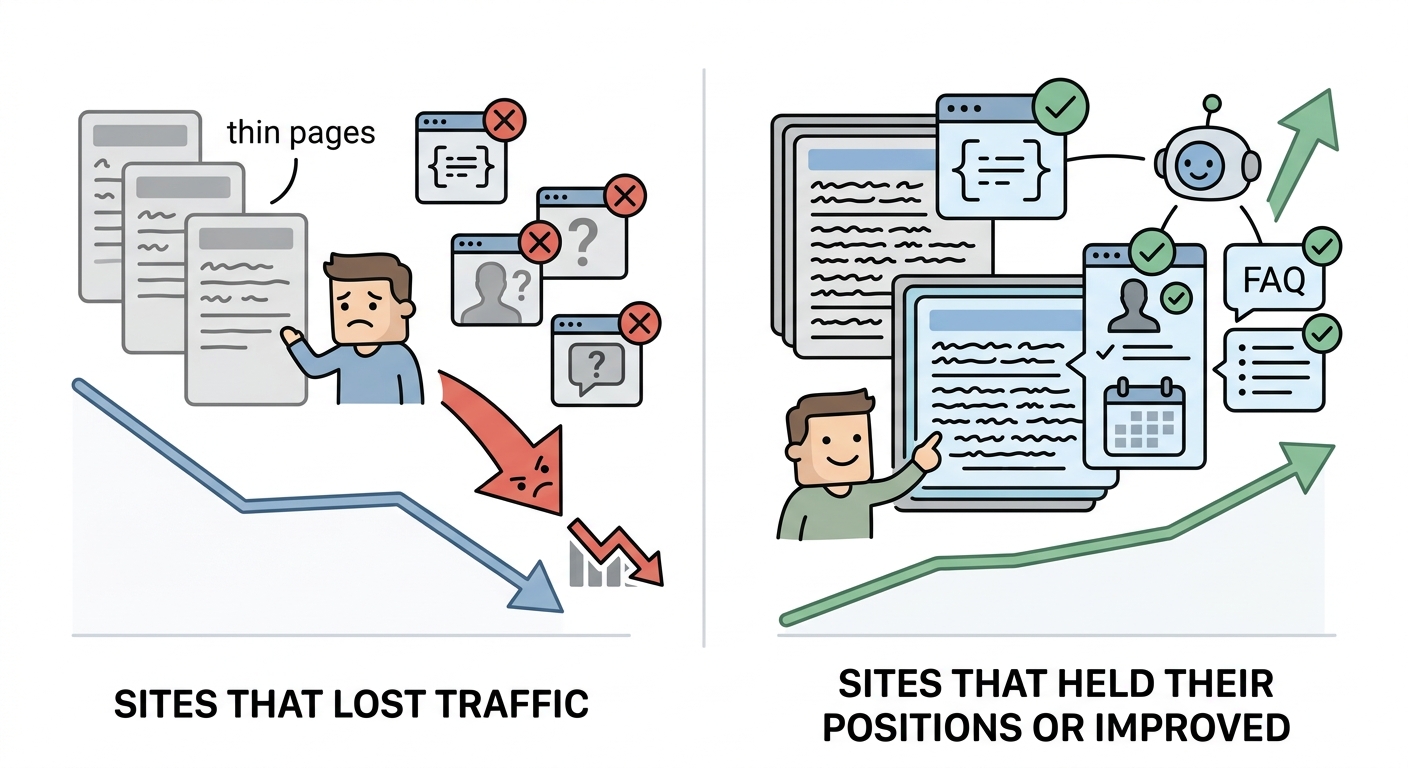
The sites that lost the most traffic during this update share a consistent pattern — thin pages with no schema markup, no clear author, and content that technically covered the topic but did not fully satisfy the search intent behind the query. Pages ranking for competitive informational keywords without FAQ schema, Article schema, or any structured data signal have been hit particularly hard.
On the other side, sites that implemented structured data properly — with complete author markup, datePublished and dateModified fields, and FAQPage schema on their key content — have largely held their positions or improved. This is not a coincidence. Google’s ability to understand and categorize content accurately during a volatile rollout depends heavily on the structured signals you provide.
What to Prioritize in Your Schema Audit This Week
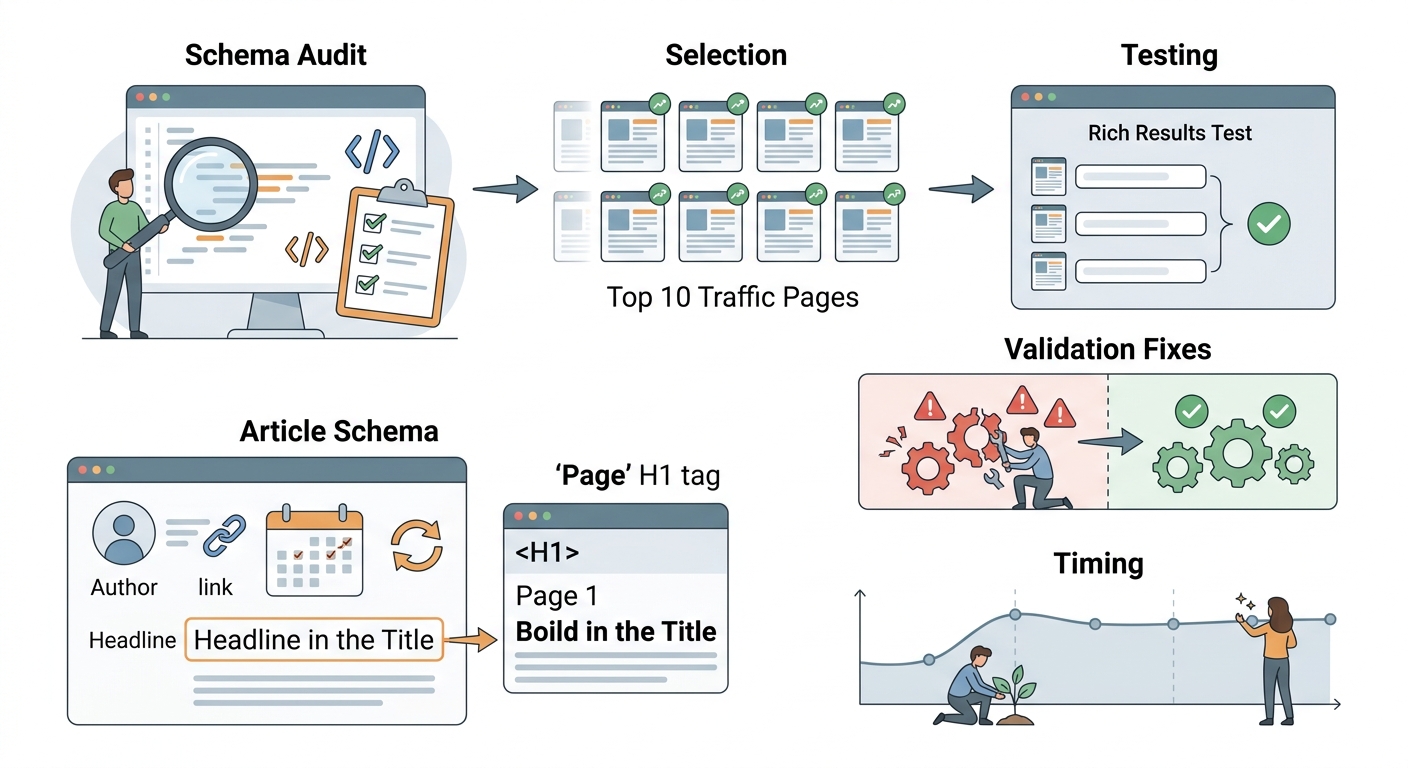
Now that the update is nearly complete, the right move is a focused schema audit on your most important pages. Start with your top 10 traffic pages and run each one through Google’s Rich Results Test. Fix any validation errors first — these are the quickest wins.
Then check whether your Article schema includes author name with a valid author URL, datePublished, dateModified, and a headline that matches your actual H1. If any of these fields are missing, add them this week. The update has settled enough that fixes you make now will be reflected in stable, post-update rankings rather than mid-rollout noise.
Schema is a small investment of time that pays compound interest in stable search visibility. This week is the best time to make that investment.
Quick Links:
