
Something That Has Never Existed Before
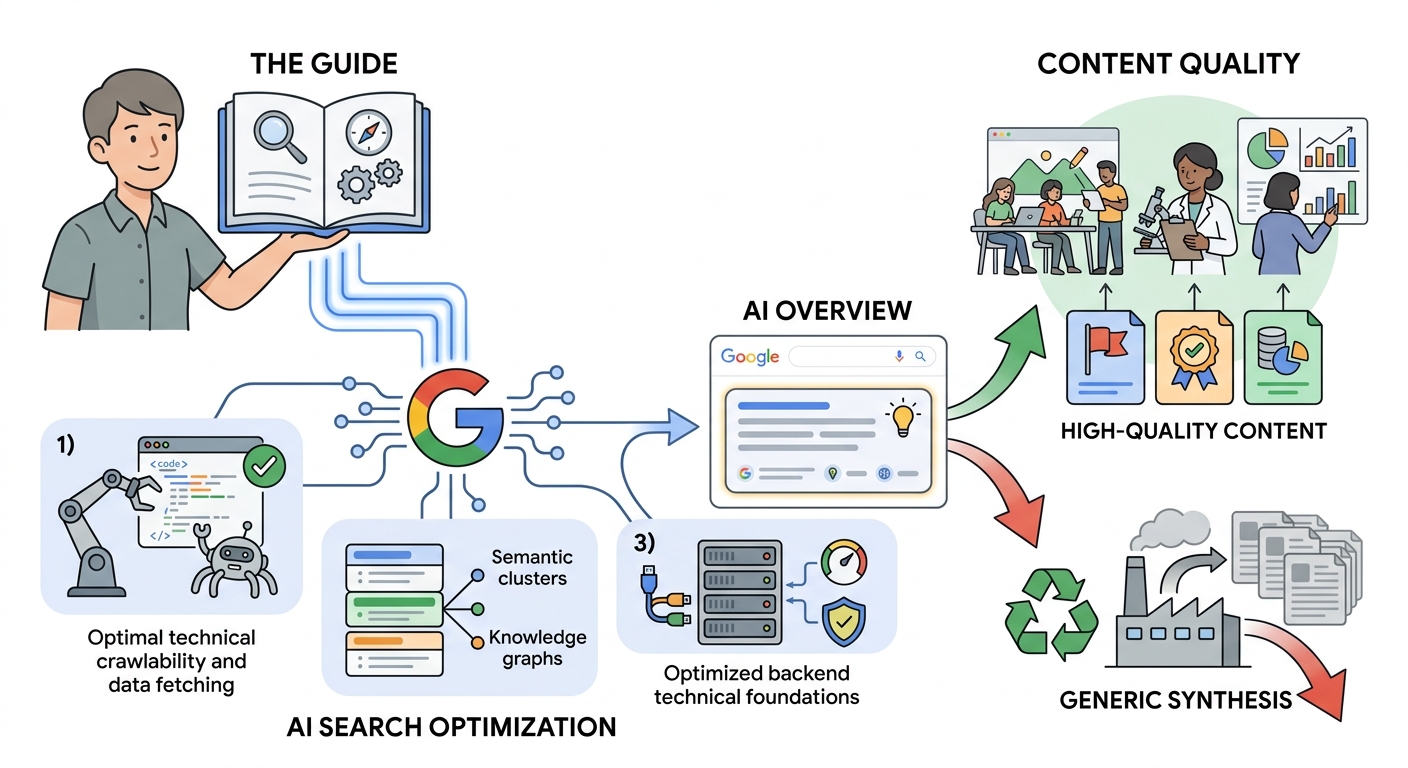
For the first time in the history of AI-powered search, Google published an official guide specifically covering how to optimize for AI Mode and AI Overviews — covering crawlability, content structure, and technical SEO foundations for the AI era.
This is significant because until now, the entire field of Answer Engine Optimization (AEO) was built on inference, reverse engineering, and community experimentation. Now Google has told us directly what they are looking for.
Google published its first official AI search optimization guide covering crawlability, content structure, and technical SEO foundations for AI Mode and AI Overviews. For content marketers and SEO pros, the takeaway is clear:
Google continues to actively optimize its ranking systems to prioritize unique information that AI models cannot easily replicate. Content that relies on generic synthesis faces declining visibility, while firsthand data, unique brand perspectives, and expert analysis form the foundation for visibility in the AI era.
The Three Pillars the Guide Covers
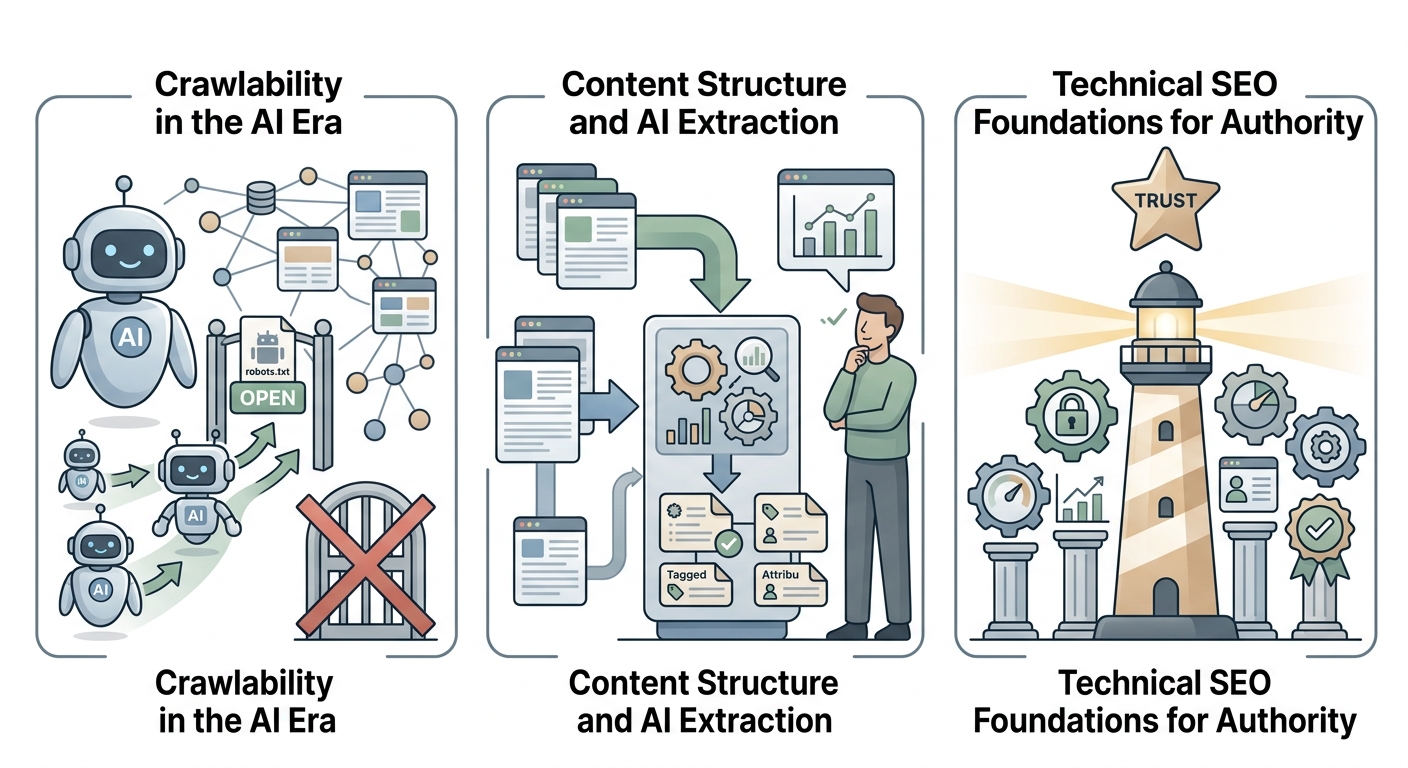
The guide organizes around three areas: crawlability (can AI systems access your content), content structure (can AI systems extract and attribute your content cleanly), and technical SEO foundations (do you have the signals that establish your site as an authoritative, trustworthy source).
Crawlability in the AI era is broader than it was in the traditional search era. It is not just about Googlebot being able to index your pages — it is about whether AI crawlers like GPTBot, ClaudeBot, and Perplexitybot can access your content, and whether you are intentionally or accidentally blocking them via robots.txt rules designed for a pre-AI search world.
Many sites are currently invisible to AI search citation systems because their robots.txt is blocking the exact crawlers responsible for AI Overview sourcing.
Content Structure for AI Citation
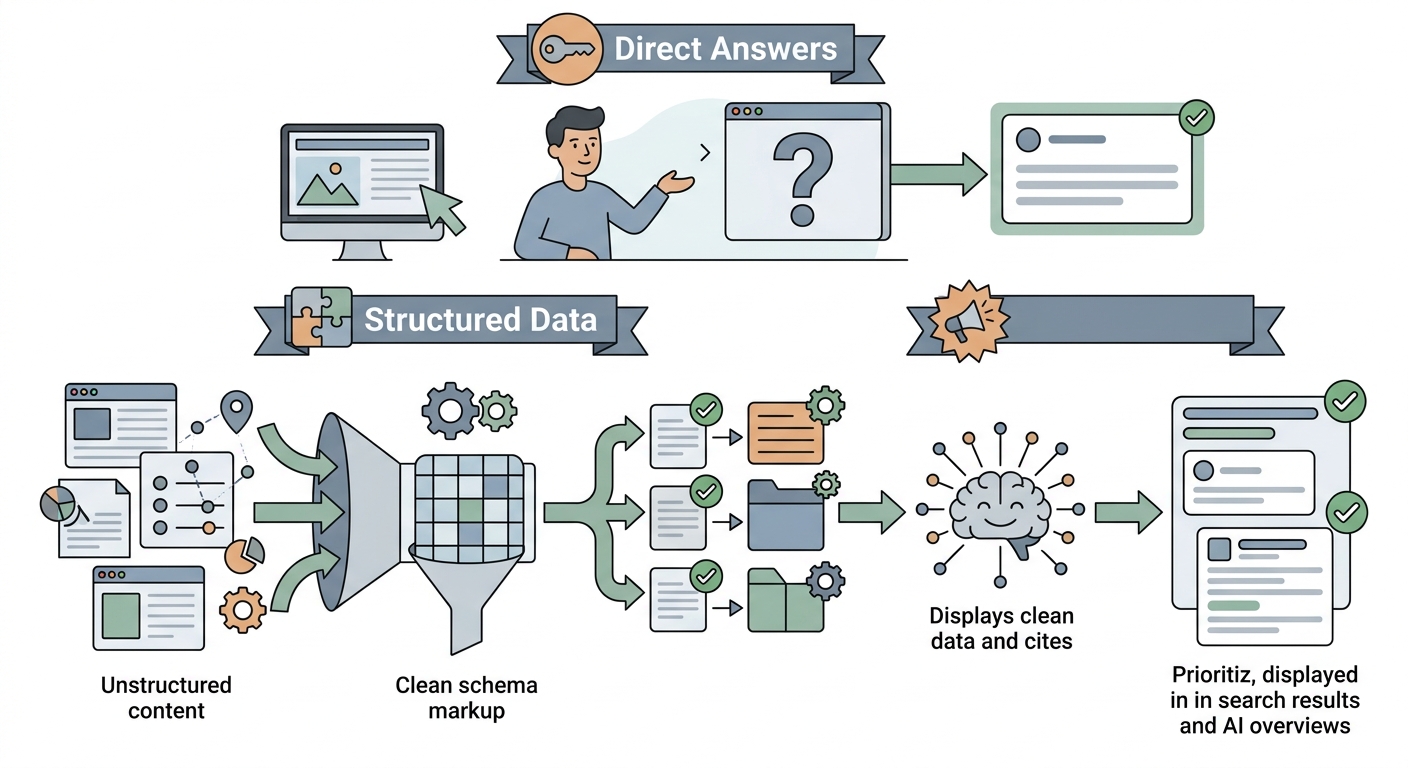
The guide’s content structure section essentially describes what the SEO community has been calling AEO for the past eighteen months — but now it is Google’s official language. Lead with direct answers. Use headers to signal topic boundaries clearly. Keep sentence structure simple and attribution-friendly. Avoid paragraph-heavy introductions that bury the actual content.
Structured data is specifically addressed as a foundation layer. The guide confirms what practitioners have been finding empirically: sites with clean, accurate schema markup are processed more reliably by AI systems and cited more frequently as a result. This is the official confirmation that structured data investment translates directly into AI Overview presence.
What to Do With This Guide
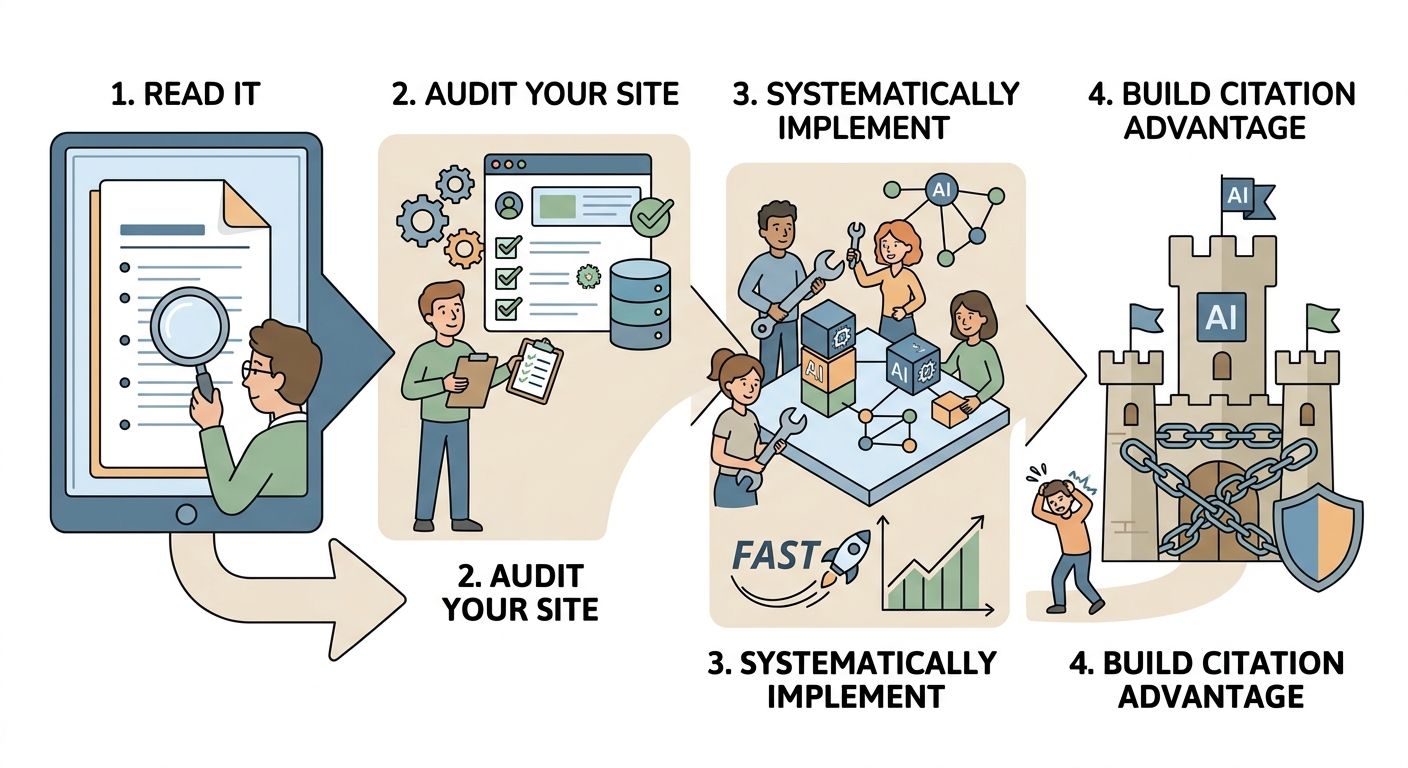
Read it. Then audit your site against each recommendation systematically. The sites that move fastest on this are going to build AI citation advantages that are genuinely hard for competitors to close later. Google has told us exactly what they want. Acting on it is the only variable left.
💬 Reddit — r/TechSEO reactions and audit checklists based on the guide: 🔗https://www.reddit.com/r/TechSEO/search/?q=Google+AI+optimization+guide+2026
🐦 X/Twitter — SEO community breaking down the official Google guide: 🔗 https://x.com/search?q=Google+AI+search+optimization+guide+official&f=live
💬 Quora — how to optimize for Google AI Mode according to Google’s own guide: 🔗 https://www.quora.com/search?q=optimize+for+Google+AI+Mode+official+guide
Quick Links:
